

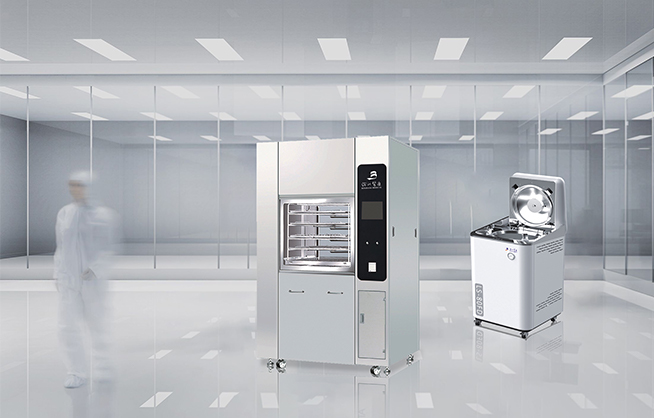
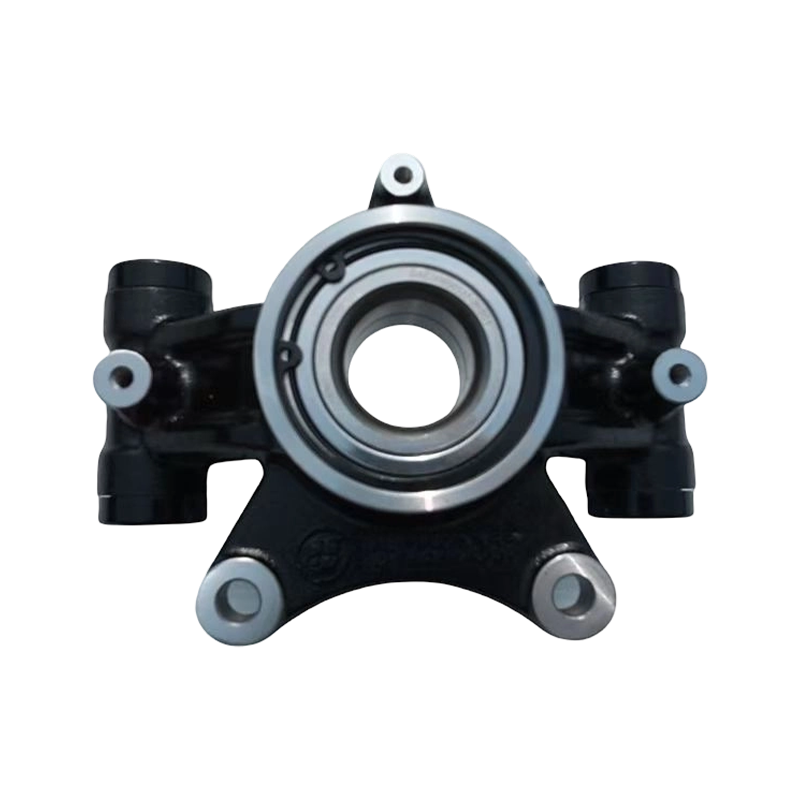
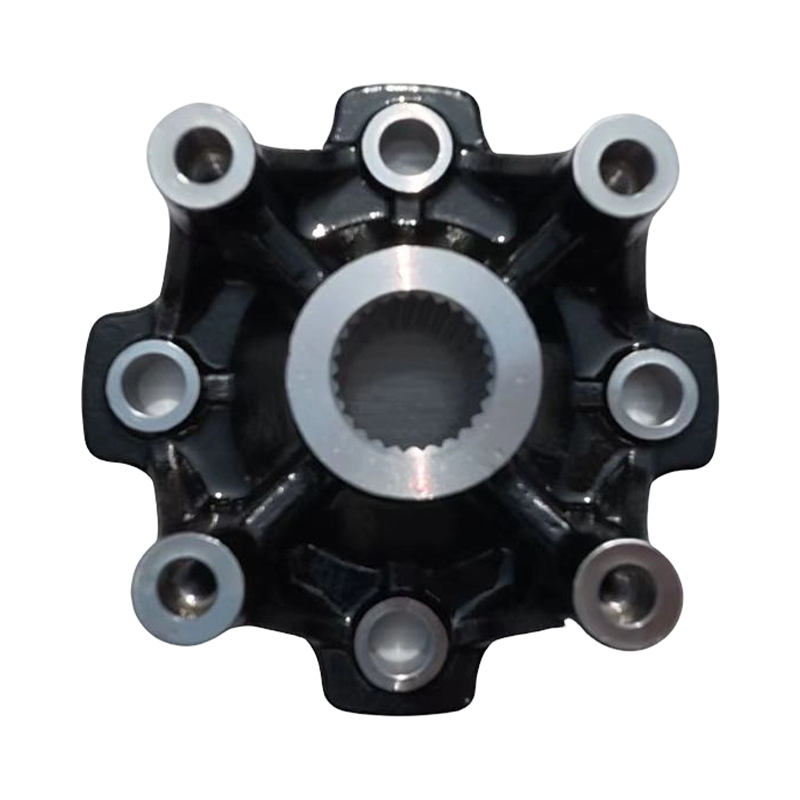
역동적이고 혁신 주도형 정밀 기계 기업인 Cixi Quaconst Precision Machinery는 중국의 도매 휠엔드 부품 제조업체 및 휠엔드 부품 공장으로, 설립 이래 자동차, ATV 및 트럭용 정밀 부품의 연구개발, 제조 및 판매에 전념해 왔으며 수출입 업무 전반에 대한 역량을 갖추고 있습니다. 또한 베트남에 새로운 지사를 설립하여 글로벌 서비스 네트워크를 확장하고 국제 고객에게 더욱 손쉬운 지원을 제공하고 있습니다.
당사 본사는 중국 저장성 닝보시 Cixi Binhai 경제개발구에 전략적으로 위치하고 있습니다. 이 입지는 편리한 교통과 뛰어난 해상 물류 이점을 자랑하며, 효율적인 글로벌 공급망과 신속한 고객 지원을 위한 견고한 기반을 마련하여 제품이 전 세계 시장에 신속하게 도달할 수 있도록 보장합니다.

지금 문의하기
Cixi Quaconst Precision Machinery:
우리의 전문성으로 높은 품질을 보장합니다
우리의 전문성으로 높은 품질을 보장합니다

-
품질
우리는 제품의 품질을 보장할 수 있는 자체 테스트 연구소와 가장 진보되고 완벽한 검사 장비를 보유하고 있습니다.
-
맞춤화
우리는 강력한 R&D 팀을 보유하고 있으며 고객이 제공한 도면이나 샘플에 따라 제품을 개발하고 생산할 수 있습니다.
-
다양성
우리는 1300개 이상의 금형을 보유하고 있으며 우리 부품은 미국, 유럽, 일본 및 중국의 자동차 모델을 포함하여 전 세계 대부분의 베스트셀러 자동차 모델과 일치시킬 수 있습...
인증서
-
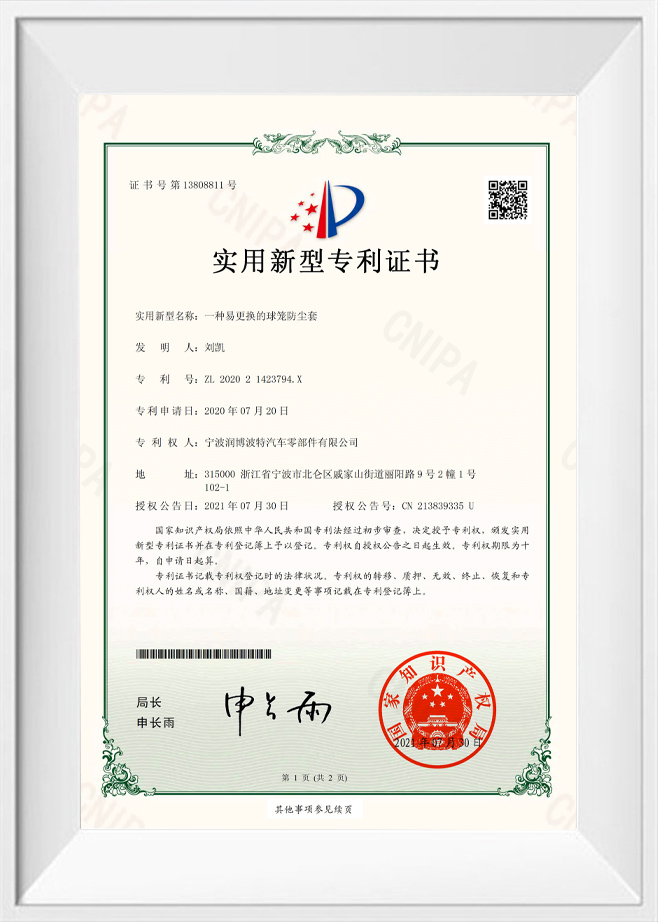
실용신안 특허증
-
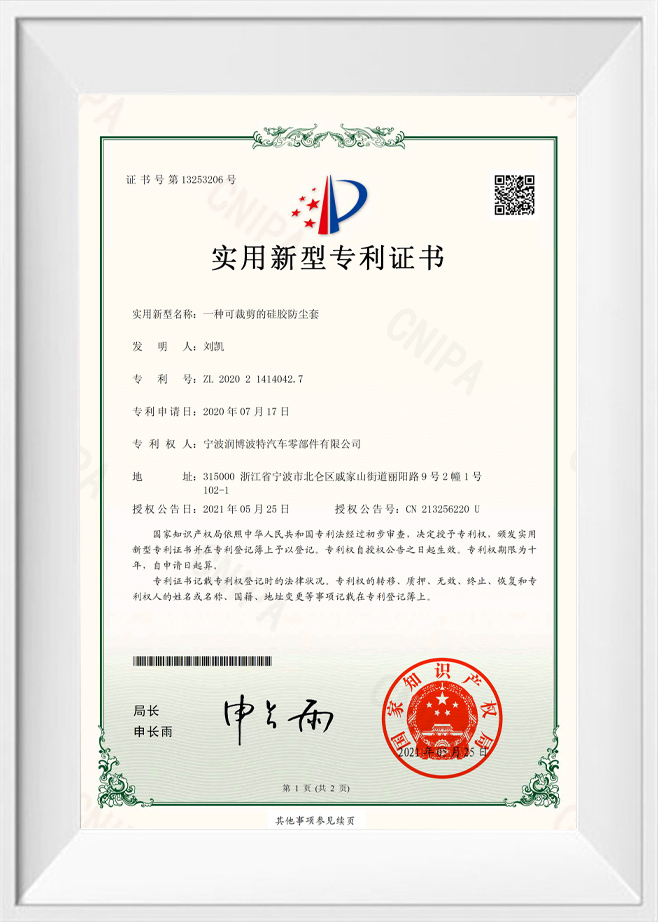
실용신안 특허증
-
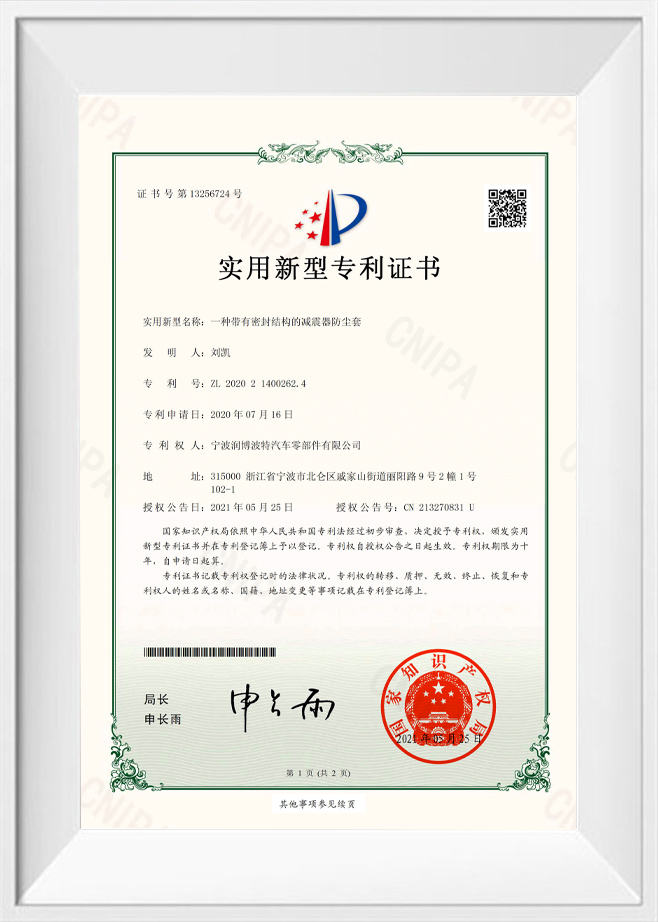
실용신안 특허증
-
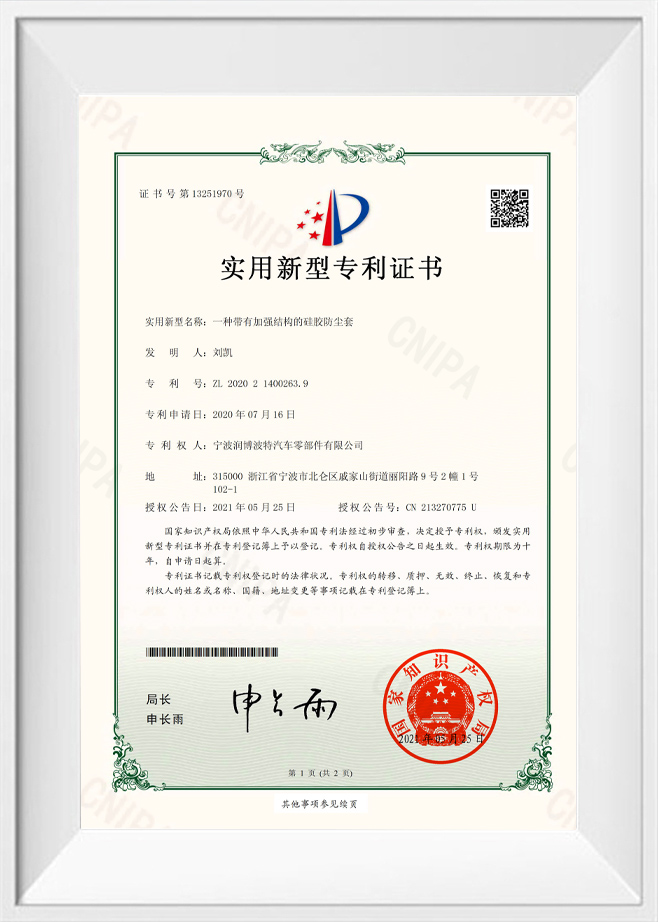
실용신안 특허증
-
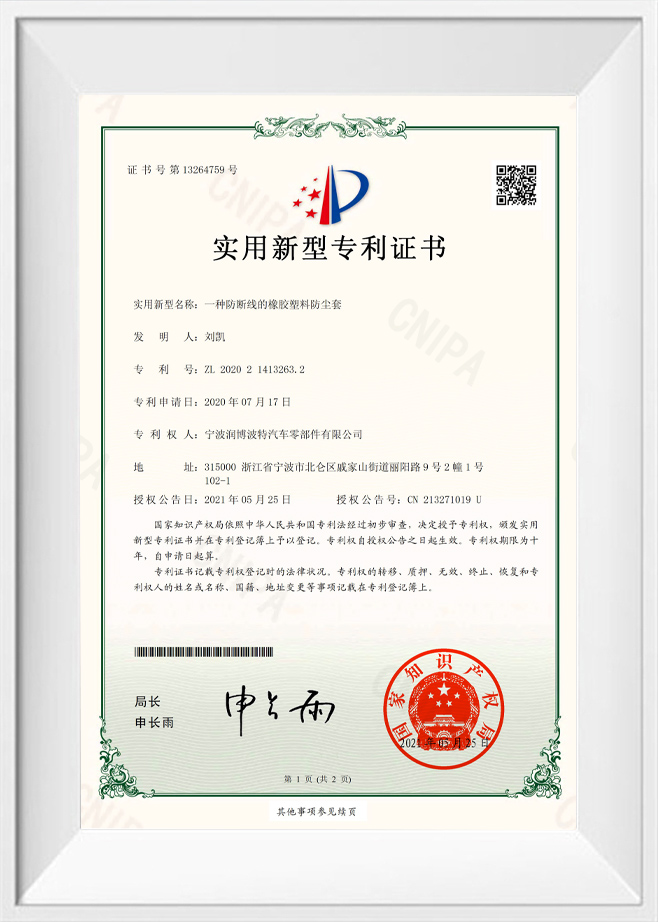
실용신안 특허증
뉴스 센터
-
2026-09-11
유니버설 조인트 확인 방법: 증상, 테스트 및 교체 안내 단계
Park에서 Reverse로 변속하면 차 아래에서 날카로운 둔탁 소리가 들립니다. 드라이브로 이동하면 반복됩니다. 또는 고속도로에서 가속할 때 시트와 바닥을 통해 리드미컬한 진동을 느낄 수도 있습니다. 두 증상 모두 한 부분, 즉 보편적 관절을 가리키는 경우가 많습니다. ... -
2026-09-04
U 조인트 다이어그램 설명: 부품, 유형 및 유니버설 조인트 측정 방법
구동축이 기어 변경 시 덜거덕거리거나 고속도로 속도에서 떨리기 시작하면 수리 결정은 일반적으로 하나의 실질적인 문제로 귀결됩니다. 차량에 장착된 정확한 유니버셜 조인트를 식별하는 것입니다. 종종 수년간의 도로 염분으로 인해 크로스 샤프트에 찍힌 부품 번호가 흐려집니다. U 조... -
2026-08-28
구동축 길이 측정 방법: 맞춤형 맞춤을 위한 완벽한 단계별 가이드
귀하의 트럭이 고속도로 속도에서 진동하기 시작하고 상점에서는 구동축을 교체해야 한다고 알려줍니다. 새로운 강철 지지대 샤프트를 주문하기 전에 누군가 길이를 측정해야 합니다. 숫자를 잘못 입력하면 샤프트가 너무 길거나 짧아져 눈에 띄는 진동, 조기 U-조인트 마모 또는 스플라인... -
2026-08-21
프로펠러 샤프트의 역할은 무엇입니까?
빠른 답변: 프로펠러 샤프트가 실제로 하는 일 A 프로펠러 샤프트 프로펠러 샤프트의 약자이자 구동 샤프트라고도 불리는 는 변속기 또는 트랜스퍼 케이스에서 차동 장치로 회전 동력을 전달한 다음 바퀴를 회전시킵니다. 간단히 말해서, ...
휠엔드 부품 업계 지식
Wheel end components are a critical group of parts that connect the vehicle's wheel hub to the suspension and braking system, directly affecting driving safety, steering precision, and load-bearing stability. For global procurement teams sourcing automotive chassis parts, understanding the types, quality standards, and customization capabilities of wheel end components is the starting point for making sound sourcing decisions. This article covers key product knowledge, procurement considerations, quality control standards, and common buyer questions to help you evaluate suppliers more effectively.
휠엔드 구성요소란 무엇입니까?
Wheel end components 차량 휠과 섀시 또는 구동계 사이의 인터페이스에 위치한 부품 조립을 의미합니다. 이 그룹에는 일반적으로 다음이 포함됩니다. 휠 허브 베어링, 휠 허브 어셈블리, 브레이크 로터, 휠 스터드, ABS 센서 링 및 관련 밀봉 요소 . Each part plays a distinct functional role: bearings carry radial and axial loads while enabling smooth wheel rotation; 허브 어셈블리는 휠의 구조적 장착을 제공합니다. ABS 링은 휠 속도 신호를 제동 제어 시스템으로 전송합니다.
These components are used across passenger vehicles, light commercial vehicles, and off-road platforms, including ATV/UTV applications. Because they operate under continuous dynamic stress—absorbing road vibration, supporting braking torque, and bearing vehicle weight— dimensional accuracy and material integrity are non-negotiable quality requirements.
차량 유형별 주요 애플리케이션
Wheel end component requirements vary significantly depending on platform and use case. 아래 표에는 구매자가 소싱 중에 올바른 제품 사양을 식별하는 데 도움이 되는 일반적인 적용 시나리오가 요약되어 있습니다.
| 차량 종류 | 필요한 일반 구성 요소 | Key Performance Focus |
|---|---|---|
| Passenger Car | 허브 베어링, 허브 어셈블리, ABS 링, 브레이크 로터 | 소음 감소, 긴 서비스 수명 |
| Light Commercial Vehicle | 견고한 허브 어셈블리, 휠 스터드, 씰 | 내하중, 피로저항 |
| ATV / UTV / Off-Road | Reinforced hub, sealed bearing, dust protection parts | 내충격성, 방수 밀봉 |
| Motorcycle | 소형 허브 베어링, 경량 휠 스터드 | Weight optimization, dimensional precision |
B2B 구매자를 위한 조달 고려 사항
When sourcing wheel end components at scale, buyers should evaluate several factors beyond unit price:
- OEM 대 AM 부속품 호환성: Confirm whether the component is designed to OEM drawing specifications or built to aftermarket interchange standards. Fitment accuracy affects installation time and warranty exposure downstream.
- 재료 인증: Structural components such as hub assemblies and knuckles should meet defined tensile strength and hardness standards. Ask suppliers for material traceability documentation.
- ABS 링 신호 정확도: For vehicles with electronic stability systems, the ABS tone ring must meet precise pole pitch tolerances. Deviation causes false fault codes and safety system malfunctions.
- Sealing performance: Hub bearings in exposed environments require multi-lip seals tested against dust and moisture ingress. Verify IP rating or equivalent internal test standards.
- MOQ 및 배송 유연성: For project-based sourcing, confirm whether the supplier supports sample development and small-batch trial production before committing to mass production volumes.
CIXI ZHIHENG, operating under a quality management system aligned with IATF 16949 standards, supports both OEM supporting services and aftermarket supply across North America, Europe, and other key markets—providing buyers with a verified framework for product consistency and process traceability.
제조 품질 관리 표준
Reliable wheel end components require process control at multiple manufacturing stages. Key inspection checkpoints include:
- Incoming material inspection: Raw steel and alloy inputs are verified for chemical composition and mechanical properties before entering production.
- 공정 중 치수 확인: Critical dimensions—bore tolerances, flange runout, stud hole positioning—are measured at intermediate production stages using CMM or dedicated gauging.
- Torque and preload testing: Bearing assemblies are tested for rotational torque to confirm preload within specification, which directly affects operating noise and service life.
- Final assembly verification: Finished assemblies undergo dimensional audit, visual inspection, and, where applicable, ABS signal output testing before shipment release.
Traceability documentation—covering lot numbers, inspection records, and material certificates—should be part of the standard supplier data package for any safety-critical component category.
Customization Process for Project-Based Orders
For buyers sourcing wheel end components for a specific vehicle platform or custom application, a structured development process reduces risk and accelerates time to production. A typical customization workflow includes:
- Requirement submission: Provide customer samples, 2D/3D drawings, application conditions (load rating, environment, vehicle platform), and target volume.
- Technical review and DFM feedback: The supplier assesses manufacturability and returns comments on tolerances, material selection, or design modifications if needed.
- Sample production and validation: First-article samples are produced and submitted for dimensional, functional, and fitment testing by the buyer.
- Process approval and mass production: Upon sample sign-off, the production process is locked and scaled for stable volume supply.
CIXI ZHIHENG supports this full development cycle—from drawing-based development and co-design support to stable large-scale manufacturing—making it suitable for both project-based sourcing and long-term supply partnerships.
자주 묻는 질문
Q1: How do I know if a wheel end component is compatible with my vehicle model?
Compatibility is determined by matching the component's reference number, fitment dimensions, and bolt pattern against the OEM specification for your vehicle. When sourcing from a manufacturer, provide the OEM part number, vehicle year/make/model, and if available, a sample or drawing. Suppliers with OEM supporting experience can cross-reference specifications and confirm fitment before production.
Q2: What is the typical lead time for custom wheel end components?
Lead time depends on whether new tooling is required, the complexity of the geometry, material availability, and order volume. Components that can be produced using existing tooling and standard materials typically have shorter sample cycles than those requiring new tooling development. For accurate lead time estimates, buyers should submit drawings or samples to the supplier for formal assessment, as actual timelines vary by project and production schedule.
Q3: What certifications should a reliable wheel end component supplier hold?
For safety-critical automotive components, IATF 16949 certification is the primary quality system standard to look for. It covers design and development control, production process management, and continuous improvement requirements specific to the automotive supply chain. Additional relevant certifications may include ISO 9001, RoHS compliance for export markets, and application-specific testing reports.
Q4: Can wheel end components be sourced as complete assemblies or individual parts?
Both options are available depending on the supplier's capability. Complete hub bearing assemblies reduce installation complexity and are preferred for aftermarket distribution. Individual components—such as standalone bearings, seals, or studs—are more common in OEM line supply or for repair kits. Confirm with your supplier which configuration best aligns with your downstream assembly or distribution model.
Wheel end components sit at the intersection of structural load-bearing, sealing integrity, and electronic safety systems—making supplier selection a decision that directly affects product liability and end-user safety. For procurement teams evaluating sources, prioritizing suppliers with documented quality systems, in-house development capability, and proven cross-market supply experience significantly reduces downstream risk. Whether your requirement is standard fitment supply or a platform-specific development project, a structured sourcing approach—covering specifications, quality validation, and customization process review—ensures consistent and sustainable results.
문의하기
이메일 보내기
문의하기
+86 133 0665 0391
이메일 보내기
중국 절강성 닝보시 Cixi City Cidong Industrial Zone Songpu Road 169호
저작권 Cixi Quaconst Precision Machinery Co., Ltd 모든 권리 보유.
 도매 휠엔드 부품 제조업체
도매 휠엔드 부품 제조업체